filtri
No filter selected
AgriEuro is the only eCommerce provider offering a genuine After-Sales Service: warranty repairs are carried out with home collection of the product and servicing at our Central Workshop.
All spare parts are also available, and can be ordered with a single click from the spare parts table, which is automatically activated in your account after the purchase of the product.


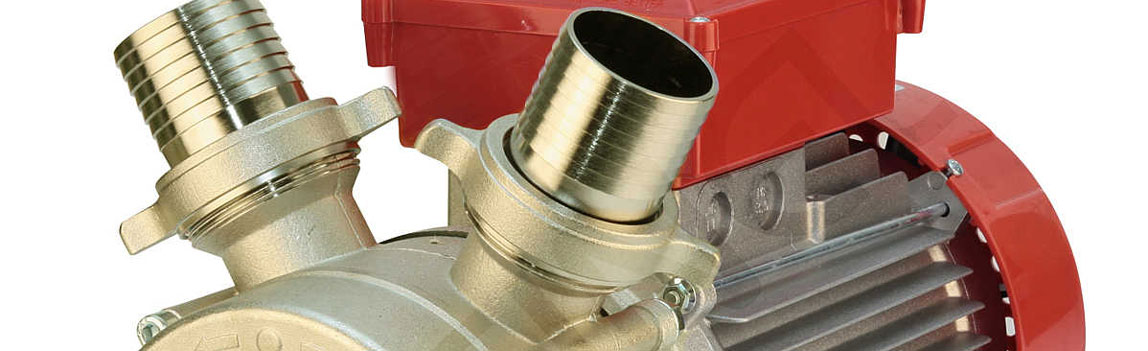
Olive oil and food-grade oil transfer pumps are devices designed for the suction and transfer of oils from one container to another quickly and safely. These pumps are mainly used in the agricultural, mechanical and food-processing sectors for transferring lubricating oil, waste oil or food-grade oil. All models available from AgriEuro are primarily intended for use with oil, or other non-aggressive viscous liquids, and are manufactured from materials that are compatible with and resistant to the viscosity and chemical properties of these fluids.
AgriEuro offers two main types of oil transfer pumps:
These pumps may also be manufactured from corrosion-resistant materials such as stainless steel, brass, bronze or anti-oxidation alloys, and some models feature reversible pumping, making transfer operations more flexible.
Oil transfer pumps are specifically designed for the suction and transfer of oil, thanks to materials and components compatible with the viscosity and chemical properties of this liquid. For this reason, they are used in well-defined applications such as the transfer of lubricating oils, waste oils and food-grade oils in mechanical, agricultural and industrial environments.
Depending on the model, some pumps can also be used with liquids other than oil. These may include wine, beer, water, wastewater, detergents, diesel fuel and food-grade liquids, provided the pumping components are compatible. This versatility depends on the pump design, the materials used and any food-grade certifications.
Typical applications include:
These pumps are suitable for different levels of use. Hobby models are ideal for occasional, low-intensity applications. Semi-professional versions are designed for more frequent use while maintaining good performance. Professional pumps are built for continuous and intensive operation, featuring durable materials and high flow rates.
A food-grade oil transfer pump operates by drawing oil from one tank and transferring it into another through an electrically powered mechanical pumping system. The oil is moved by a metal pumping element (such as stainless steel, brass, bronze or anti-oxidation alloy), specifically designed to withstand corrosion and the viscosity of the liquid. Power supply may be 230 V single-phase, for domestic or semi-professional applications, or 400 V three-phase, for continuous professional use.
The main functions include:
To use an oil transfer pump correctly, it must be connected to the electrical supply, the suction and delivery hoses must be fitted correctly, and the motor should be started using the switch. Before use, it is important to ensure that the liquid being transferred is compatible with the pump materials.
Oil transfer pumps offer numerous advantages when transferring high-viscosity liquids. They are designed to ensure efficiency, safety and cleanliness during transfer operations, minimising the risk of spillage or contamination. Thanks to compatibility with specific materials and the possibility of handling other liquids, certain models are suitable for a wide range of operating environments.
The main advantages include:
Compared with manual or gravity-fed transfer systems, oil transfer pumps provide greater speed, precision and safety, reducing working time and physical effort.
AgriEuro offers various types of oil transfer pumps designed to meet different operational requirements. The main distinction concerns the electrical power supply, which directly affects performance and intended use. 230 V single-phase models are generally used in hobby and semi-professional environments, while 400 V three-phase pumps are designed for professional and continuous-duty applications. Both categories may differ in terms of head pressure, flow rate and construction materials, influencing compatibility with different liquids and overall durability.
230 V single-phase electric oil transfer pumps operate via a standard domestic power socket. They are ideal where a conventional electrical supply is available and do not require a dedicated three-phase installation. These models are particularly suitable for light workshops, small farms and occasional hobby use. They are designed for small to medium oil transfer operations, whether involving food-grade or lubricating oils, and are easy to install and operate.
400 V three-phase electric oil transfer pumps are designed for professional applications involving high volumes and frequent operation. They require a three-phase electrical system and provide greater motor power, ensuring superior performance and improved operational efficiency. These pumps are suitable for businesses handling large transfer volumes or production facilities where continuous operation is required. They offer high levels of power, flow rate and head pressure.
At AgriEuro, you can select olive oil transfer pumps according to specific technical features, making it easier to choose the model best suited to the type of liquid being transferred, the frequency of use, and the operating environment. Each pump is designed to deliver different levels of performance in terms of power supply, materials, flow rate and head, and can be filtered according to these parameters to simplify the selection process. Some models are designed exclusively for oil, while others, thanks to suitable certifications and compatible materials, can also be used with liquids such as wine, beer or diesel fuel.
Olive oil and food-grade oil transfer pumps are devices designed for the suction and transfer of oils from one container to another quickly and safely. These pumps are mainly used in the agricultural, mechanical and food-processing sectors for transferring lubricating oil, waste oil or edible oil. All models available from AgriEuro are primarily intended for use with oil and other non-aggressive viscous liquids, and are manufactured from materials that are resistant to the viscosity and chemical properties of these substances.
AgriEuro offers two main types of oil transfer pumps:
These pumps may also be manufactured from corrosion-resistant materials such as stainless steel, brass, bronze or anti-oxidation alloys, and some models feature reversible pumping direction, providing greater flexibility during transfer operations.
Oil transfer pumps are specifically designed for the suction and transfer of oil, thanks to materials and components that are compatible with the viscosity and chemical properties of this liquid. For this reason, they are commonly used for the transfer of lubricating oils, waste oils and edible oils in mechanical, agricultural and industrial environments.
Depending on the model, some pumps can also be used with liquids other than oil. These include wine, beer, water, dirty water, detergents, diesel fuel and food-grade liquids, provided that the pumping materials are compatible. This versatility depends on the pump design, the materials used and any food-grade certifications.
Typical applications include:
These pumps are suitable for different levels of use. Hobby models are ideal for occasional, low-intensity tasks. Semi-professional models are designed for more frequent use while maintaining good performance. Professional pumps are built for continuous, intensive operation, featuring durable materials and high flow rates.
A food-grade oil transfer pump operates by drawing oil from one tank and transferring it to another through a mechanically driven pumping system powered by electricity. The oil is moved by a metal pumping element (such as stainless steel, brass, bronze or anti-oxidation alloy), designed to withstand both corrosion and the viscosity of the liquid. Power supply can be either 230 V single-phase, suitable for domestic and semi-professional use, or 400 V three-phase, intended for continuous professional operation.
The main functions are:
To use an oil transfer pump correctly, it must be connected to the power supply, with the suction and delivery hoses properly installed, before switching on the motor. Prior to use, it is important to ensure that the liquid being transferred is compatible with the pump materials.
Oil transfer pumps offer numerous advantages when transferring high-viscosity liquids. They are designed to ensure efficiency, safety and cleanliness throughout transfer operations, minimising the risk of spills or contamination. Thanks to their compatibility with specific materials and, in some cases, with a variety of liquids, these pumps are suitable for a wide range of applications.
The main advantages include:
Compared with manual or gravity-fed transfer systems, oil transfer pumps provide greater speed, accuracy and safety, reducing both working time and physical effort.
AgriEuro offers several types of oil transfer pumps to suit different operational requirements. The main distinction concerns the electrical power supply, which directly affects performance and intended use. 230 V single-phase models are generally used in hobby and semi-professional settings, while 400 V three-phase pumps are designed for professional and continuous use. Both types may differ in terms of head, flow rate and construction materials, influencing compatibility with various liquids and overall durability.
230 V single-phase electric oil transfer pumps operate from a standard domestic electrical socket. They are ideal where only a conventional power supply is available and no dedicated three-phase installation is present. These models are particularly suitable for light workshops, small farms and occasional hobby use. They are ideal for small to medium oil transfer operations involving both edible and lubricating oils and are easy to install and operate.
400 V three-phase electric oil transfer pumps are designed for high-volume, professional applications. They require a three-phase electrical installation and provide greater motor power, ensuring superior performance and improved operational efficiency. These pumps are particularly suitable for businesses handling large transfer volumes or production facilities where continuous operation is required. They offer outstanding performance in terms of power, flow rate and head.
At AgriEuro, you can select olive oil transfer pumps according to specific technical features, making it easier to choose the model best suited to the type of liquid being transferred, the frequency of use, and the operating environment. Each pump is designed to deliver different levels of performance in terms of power supply, materials, flow rate and head, and can be filtered according to these parameters to simplify the selection process. Some models are designed exclusively for oil, while others, thanks to suitable certifications and compatible materials, can also be used with liquids such as wine, beer or diesel fuel.
Choosing the most suitable oil transfer pump mainly depends on the type of work to be carried out, the quantity and viscosity of the liquid to be transferred, and the frequency of use. To select the right model, it is advisable to carefully assess several key technical characteristics, including power supply, flow rate, head and rated power. For occasional or hobby use, for example, a pump with moderate power and a lower flow rate may be perfectly adequate, whereas semi-professional applications generally require models offering higher performance.
The main criteria to consider when choosing an oil transfer pump are:
Food-grade oil transfer pumps are suitable for a variety of users and operating environments. The main target groups include:
Choosing a branded oil transfer pump means relying on specialist manufacturers that use high-quality materials, guarantee product reliability and offer better spare parts availability. AgriEuro stocks the leading brands in the industry, carefully selected to meet every requirement, from hobby use to professional applications.
Purchasing an oil transfer pump from AgriEuro means relying on a specialised e-commerce retailer offering a wide range of models for every need, together with expert technical support and professional after-sales service. In addition to product quality, AgriEuro provides several practical advantages and exclusive services.
Browse the online catalogue now and find the oil transfer pump best suited to your needs.
Olive oil racking and transfer is a crucial stage in preserving its quality and organoleptic properties. During production, the oil contains small solid particles known as sediment, including pulp, stone residues and microscopic impurities. Without transfer, these residues may ferment, increasing acidity and potentially damaging the product.
Transferring the oil helps to:
Transfer operations are therefore essential for preserving the freshness and quality of olive oil over time.
The timing of the transfer process is important to ensure high-quality oil. After pressing, the oil should be allowed to settle for a period so that sediment naturally accumulates at the bottom of the container. As a general rule, the first transfer takes place within two to three weeks of production, once most of the sediment has settled.
Recommended transfer schedule:
The frequency of transfers depends on oil quality and storage conditions, but two transfers per year are generally sufficient to maintain a fresh and pure product.
To transfer olive oil safely and hygienically, dedicated pumps designed for viscous and delicate liquids are used, such as anti-oxidation alloy pumps. These pumps are specifically designed to prevent contamination while preserving the oil's organoleptic properties.
To carry out the transfer process:
The process should be carried out carefully, maintaining a steady flow and avoiding disturbance of the sediment.
Separating oil from sediment is an essential step in obtaining a clear product that remains stable over time. This process is based on successive transfer operations that remove solid particles without compromising the quality of the oil. Using a low-flow-rate pump is a practical solution for achieving a more precise transfer.
To separate oil from sediment:
These steps ensure that the transferred oil is free from sediment and retains its fresh, unaltered flavour.
The settling process is essential to allow sediment to naturally accumulate before the first transfer. This period, typically two to three weeks, enables impurities to settle at the bottom of the container, making the oil clearer and more suitable for storage.
Guidelines for settling:
Allowing the oil to settle is important for optimal storage, reducing the risk of oxidation and fermentation.
The shelf life of olive oil depends on storage conditions, but in general, it can be stored for between 18 and 24 months without significant loss of quality. After this period, the oil gradually begins to oxidise and lose its organoleptic properties.
To preserve olive oil effectively:
With the correct precautions, olive oil can remain stable and maintain good quality for at least two years.
Olive oil can be stored in tins for approximately 12 months. Tin containers protect the product from light and oxidation; however, they may deteriorate over time, particularly if they are made from materials not intended for prolonged storage.
To store olive oil in tins:
When used correctly, a quality tin container can preserve olive oil without affecting its characteristics for at least one year.
Plastic is not considered the ideal material for the long-term storage of olive oil, as it may release unwanted substances and affect the quality of the product. For this reason, plastic containers should generally be avoided for storage periods longer than a few months.
Precautions when using plastic containers:
Stainless steel and dark glass remain the preferred options for storing olive oil safely.
Olive oil can become unsuitable for consumption when it begins to oxidise and turn rancid, a process accelerated by exposure to light, heat and air. Rancid oil develops compounds that alter its flavour and, if consumed in large quantities, may have negative effects.
Signs that olive oil has deteriorated include:
To prevent these issues, store olive oil correctly and inspect its condition regularly.
The best containers for storing olive oil are dark glass and stainless steel, as both materials protect the oil from light and minimise the risk of contamination. Dark glass prevents light penetration, helping to preserve the oil's properties, while stainless steel is durable, hygienic and chemically inert.
Recommended materials:
These containers help extend the shelf life of olive oil while maintaining its organoleptic properties intact.
To change language, please click on the following abbreviations: