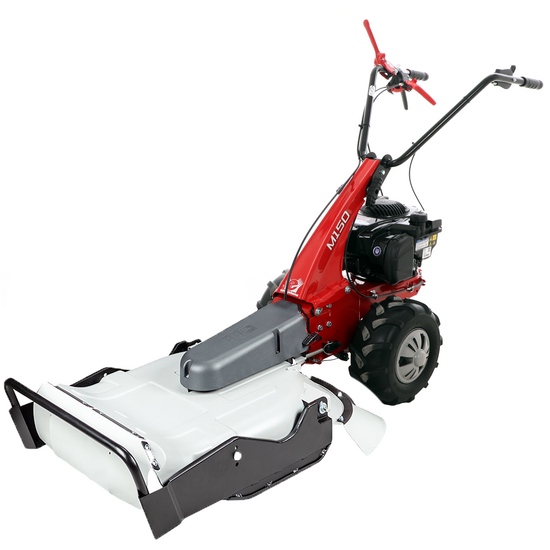
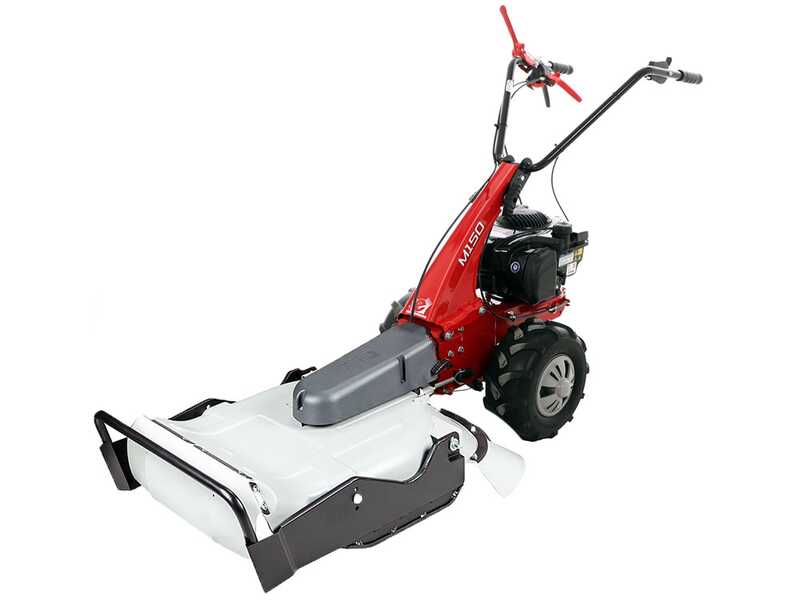
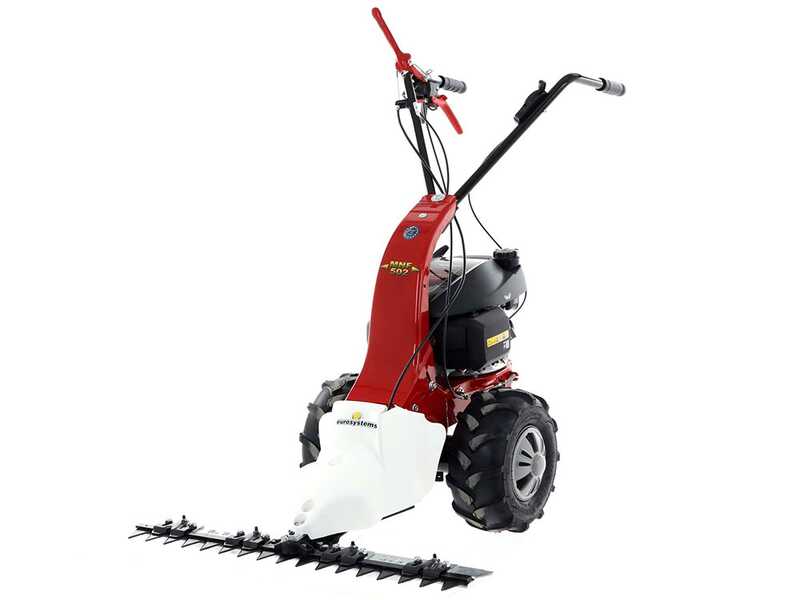
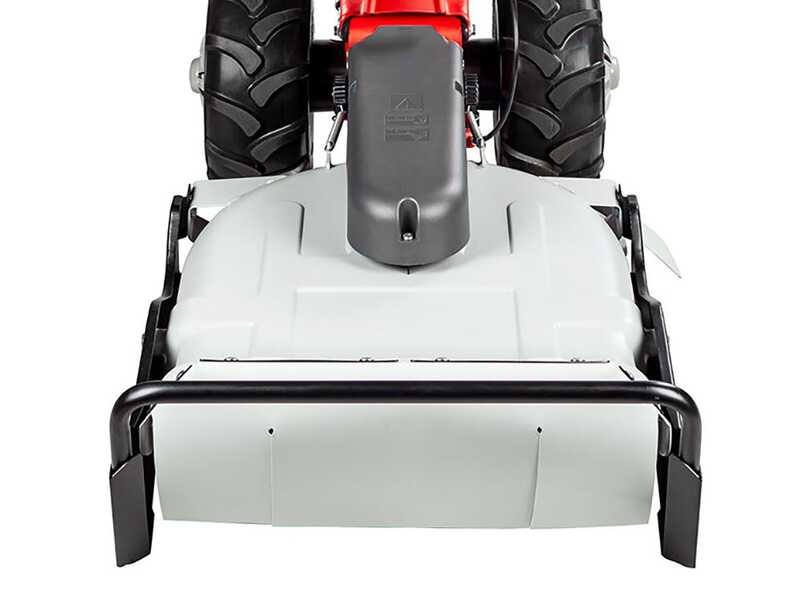
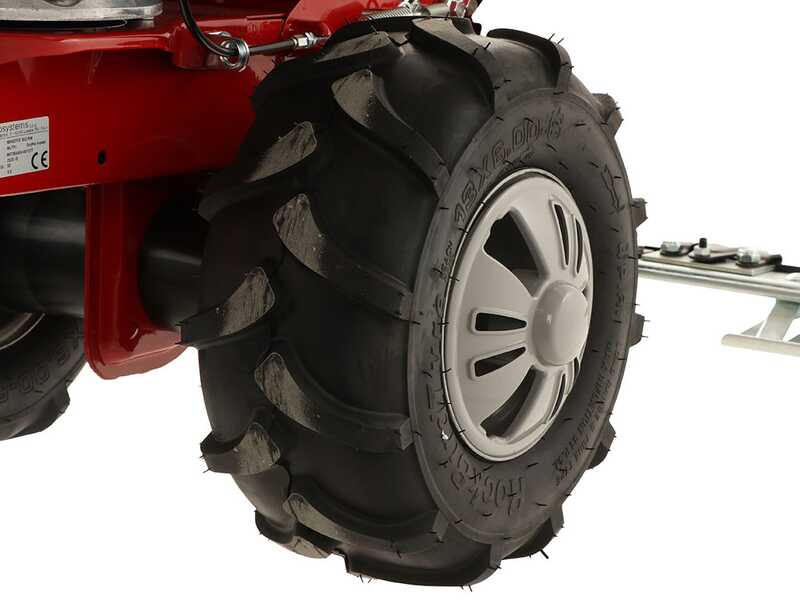
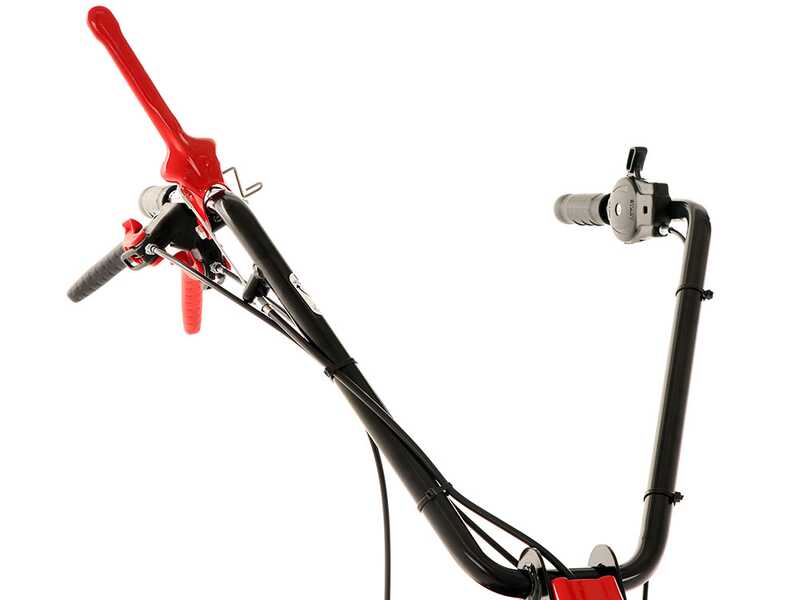
To ensure correct use of the self-propelled rough cut mower and to maintain its efficiency over time, it is important to use the machine exclusively for its intended applications and under suitable operating conditions.
Before starting work, inspect the area thoroughly, removing stones, tree stumps, metal objects, plastic and other foreign objects.
The flail mower is primarily intended for surface shredding of grass, wild vegetation, scrub and plant debris compatible with the features of the specific model.
It must not be used to level the ground, push materials or work on objects that could damage the cutting tools and mechanical components of the machine.
While working, ensure the cutting height is set correctly to prevent the cutting tools from coming into direct contact with the ground.
Holes, ruts, depressions, protruding stones and other irregularities can cause impacts and abnormal stress on the rotor, the transmission and the cutting elements.
On slopes, proceed with particular caution, maintaining a controlled speed and avoiding sudden manoeuvres or abrupt changes of direction.
On uneven, loose or slippery surfaces, it is advisable to reduce the forward speed further.
The speed must also be adjusted to the quantity and consistency of the vegetation.
With tall or particularly dense grass, it is preferable to proceed more slowly so as not to overload the cutting unit.
A noticeable drop in rotor speed, abnormal vibrations or difficulty in moving forward indicate the need to reduce the workload or increase the cutting height.
Do not operate the machine on very wet vegetation or particularly muddy ground, as moisture can cause material to build up in the cutting mechanism and reduce the discharge capacity.
During prolonged use, it is therefore advisable to periodically check for grass, fibres or debris around the rotor and the transmission components.
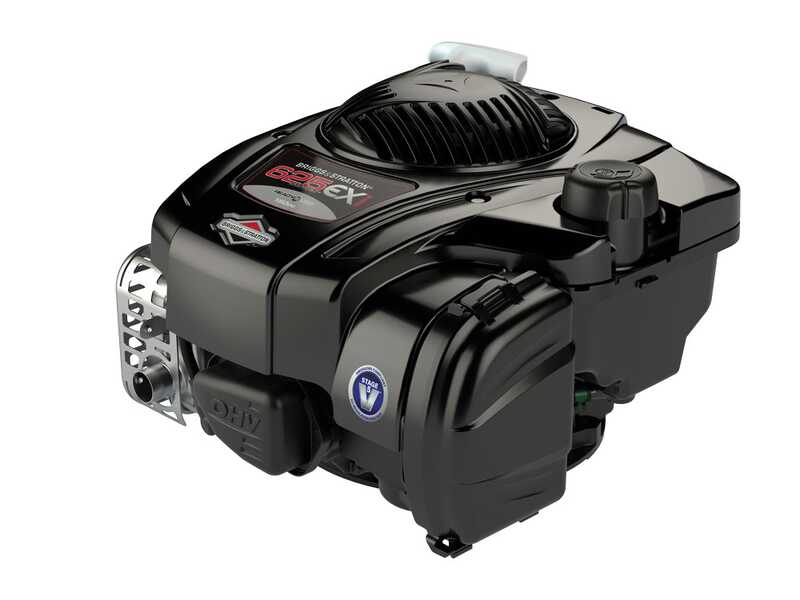
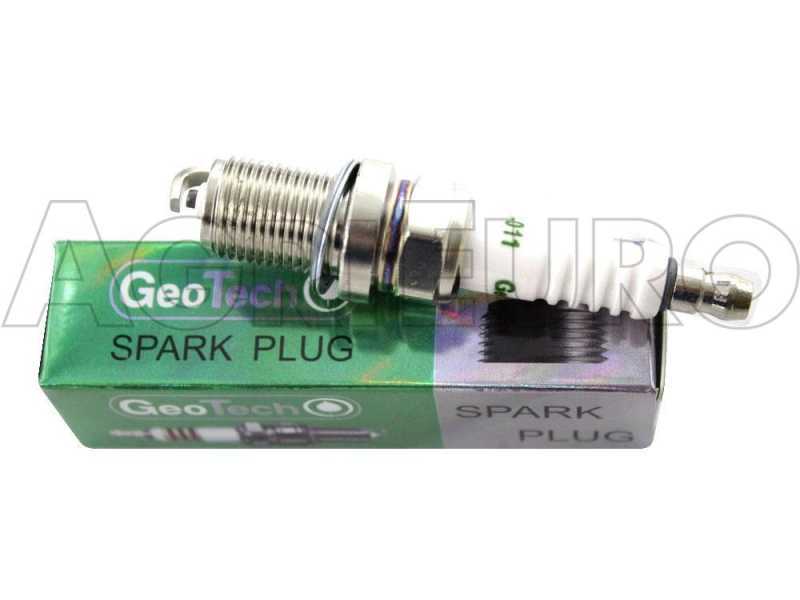
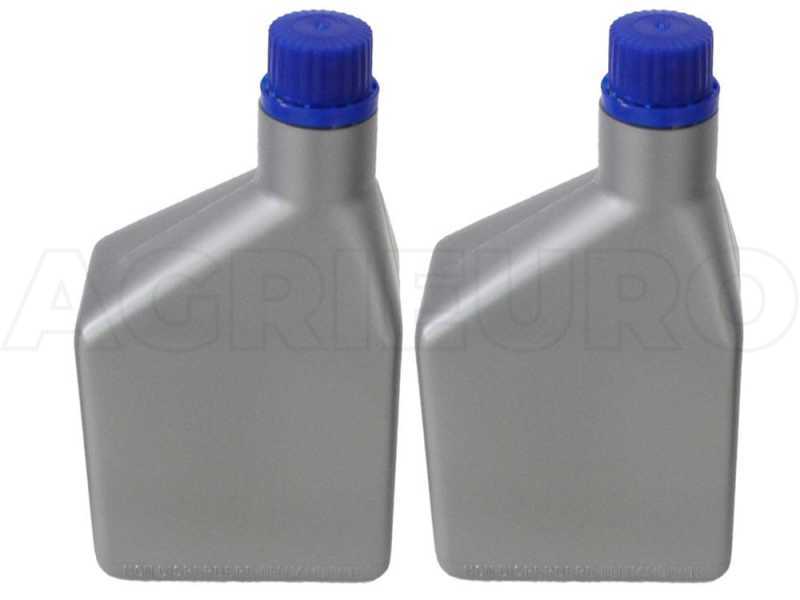
For models with internal combustion engines, it is important to use suitable, properly stored fuel, avoiding fuel that has deteriorated or become contaminated, and using only containers suitable for fuel storage.
Before carrying out any cleaning, inspection or removal of accumulated material, the machine must be completely switched off and secured.
Regular checks of the cutting tools, protective guards and transmission enable any faults to be identified promptly.