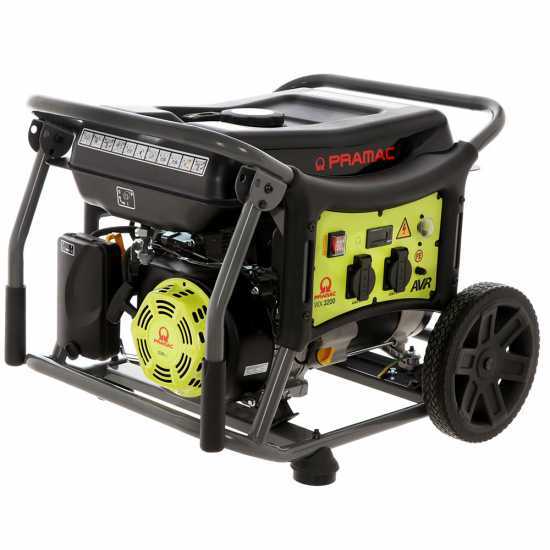
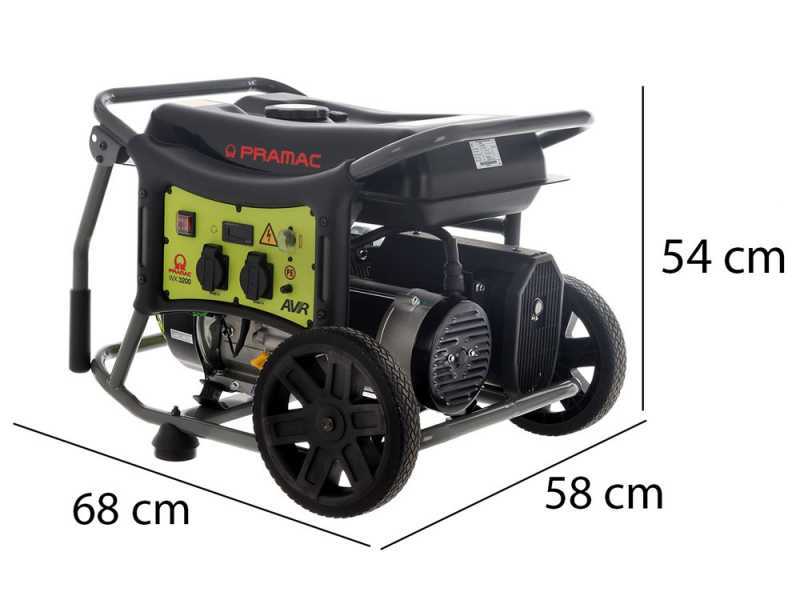
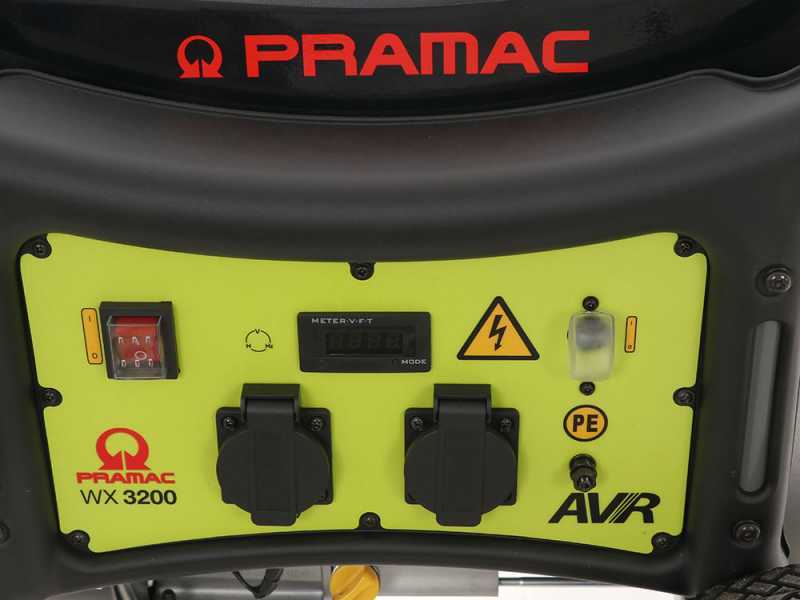
To use a generator with an AVR correctly, it is important to adhere to the power limits specified by the manufacturer and to avoid running the generator set constantly close to its maximum capacity. Overloading can cause voltage drops, frequency fluctuations, overheating and the activation of protective devices.
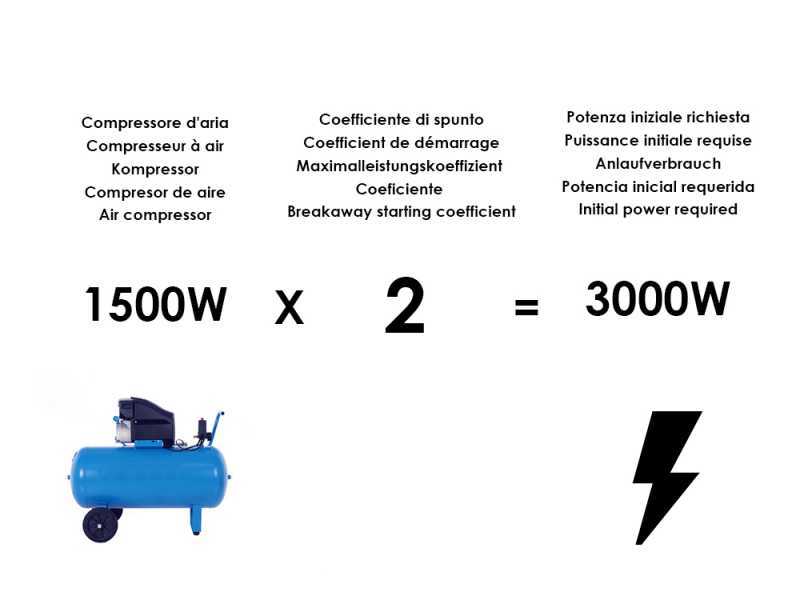
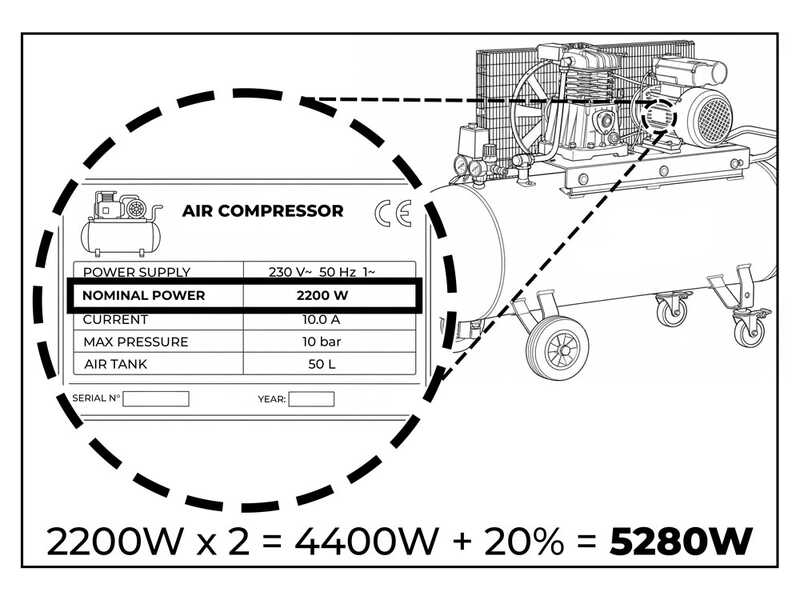
Before connecting loads, it is always advisable to check their rated power consumption and any inrush current peaks. Air compressors, pumps, refrigerators and power tools fitted with electric motors may require significantly more power during start-up than their rated power. For this reason, it is advisable to choose a generator with a double power margin and at least 20% more power than the expected total power consumption.
When powering several pieces of equipment simultaneously, it is best to start those with the highest inrush current first and then connect the appliances with lower absorption. This procedure helps to prevent sudden overloads.
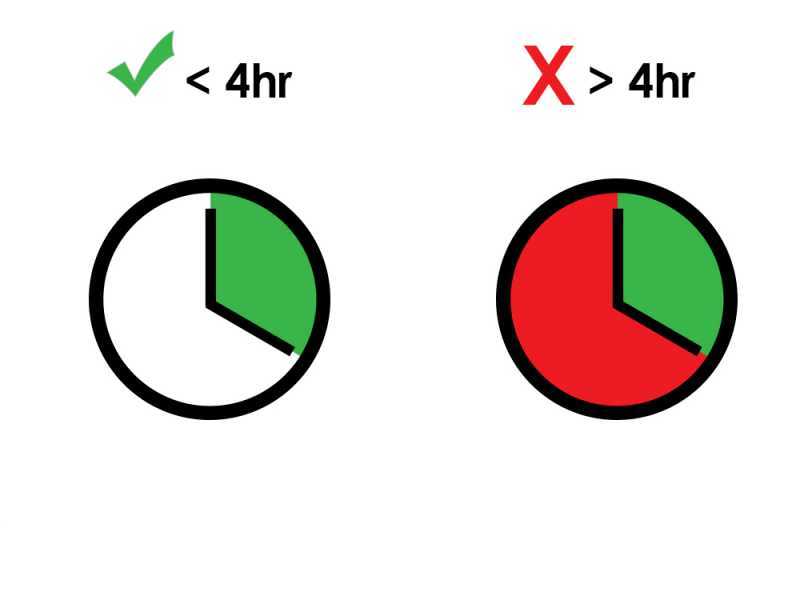
Generators with a rotational speed of 3,000 rpm are generally suitable for temporary, emergency or intermittent use. It is therefore advisable to avoid very prolonged continuous use, especially under high loads, in order to limit overheating and wear and tear on components.
The AVR system helps to stabilise the output voltage, but does not make the generator equivalent to an inverter model. Before powering particularly sensitive electronic equipment, such as computers, UPS units or complex electronic devices, it is advisable to always check their compatibility.
If the AC circuit breaker or thermal protection trips, do not reset the system immediately. You must first disconnect the loads, identify the cause of the overload or fault and, if necessary, wait for the generator to cool down.
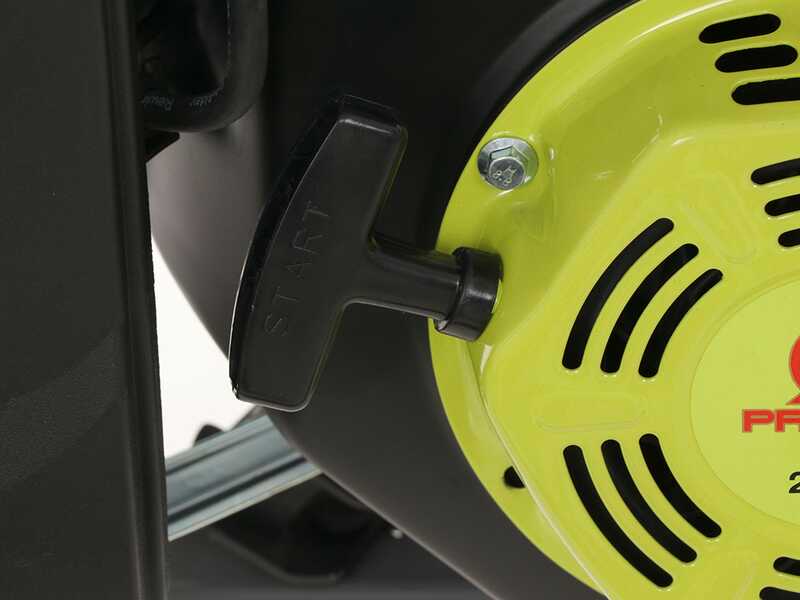
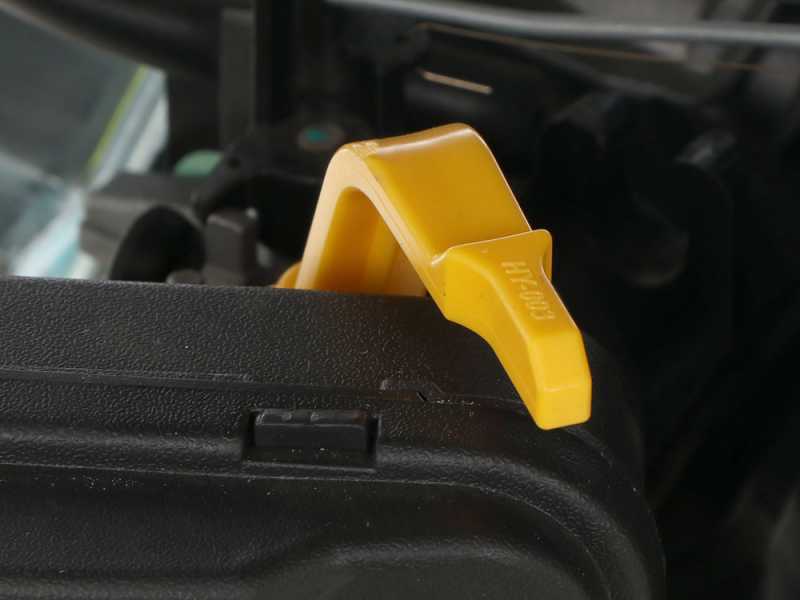
During a cold start, on models equipped with a starter, use it correctly in accordance with the instructions in the manual. Once the engine has started, return the starter to its normal operating position. At the end of use, it is also advisable to close the fuel tap, where fitted.
Always use fresh, properly stored fuel, avoiding old or contaminated petrol which could cause starting difficulties, erratic running or problems with the fuel system.
The generator must be positioned in a well-ventilated area, ensuring the engine discharge is unobstructed and maintaining a suitable distance from walls, obstacles and flammable materials. Do not use the generator set in enclosed or poorly ventilated spaces.
It is also important to bear in mind that high temperatures and altitude can reduce the available power. Under these conditions, the connected load should be reduced proportionally.
To ensure the generator remains efficient over time, it is advisable to carry out routine maintenance regularly, checking the engine oil, air filter, spark plug and the general condition of the unit in accordance with the intervals specified by the manufacturer.
Finally, any connection to a domestic electrical installation or an ATS system must be carried out exclusively using suitable equipment and by qualified technical personnel, avoiding makeshift or non-compliant connections.